
History of Turkmenistan
Discover the rich history and cultural heritage spanning thousands of years
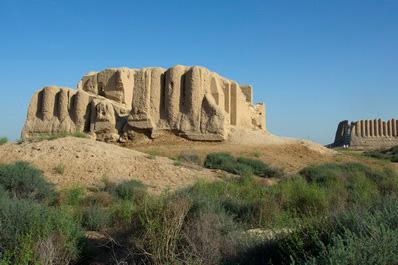
Ancient Turkmenistan
The territory of modern Turkmenistan has been inhabited since ancient times. Archaeological discoveries, particularly from sites like Gonur Depe in the Margiana region, reveal that this land was home to one of the world's earliest civilizations dating back to the Bronze Age (circa 2000 BCE).
The region was part of several ancient empires, including the Parthian Empire, one of the most powerful states of antiquity. The ancient city of Nisa, the Parthian capital, stood as a testament to the region's strategic importance and cultural sophistication.
By the 12th century, Merv had grown to become the largest city in the world with a population of half a million, serving as a major center of Islamic learning and culture along the Silk Road.
Silk Road Era
Turkmenistan's location along the Great Silk Road made it a crucial crossroads of civilizations. Cities like Merv, Nisa, and Kunya-Urgench flourished as major trading centers, where goods, ideas, and cultures from East and West intermingled.
The region became renowned for its skilled craftsmen, producing exquisite Turkmen carpets, intricate jewelry, and beautiful ceramics that were traded across continents. These cities were also centers of learning, attracting scholars, artists, and merchants from across the known world.
Despite facing numerous invasions and destructions, including the Mongol conquest in the 13th century, the resilient spirit of the Turkmen people persevered, maintaining their distinct identity and cultural traditions.
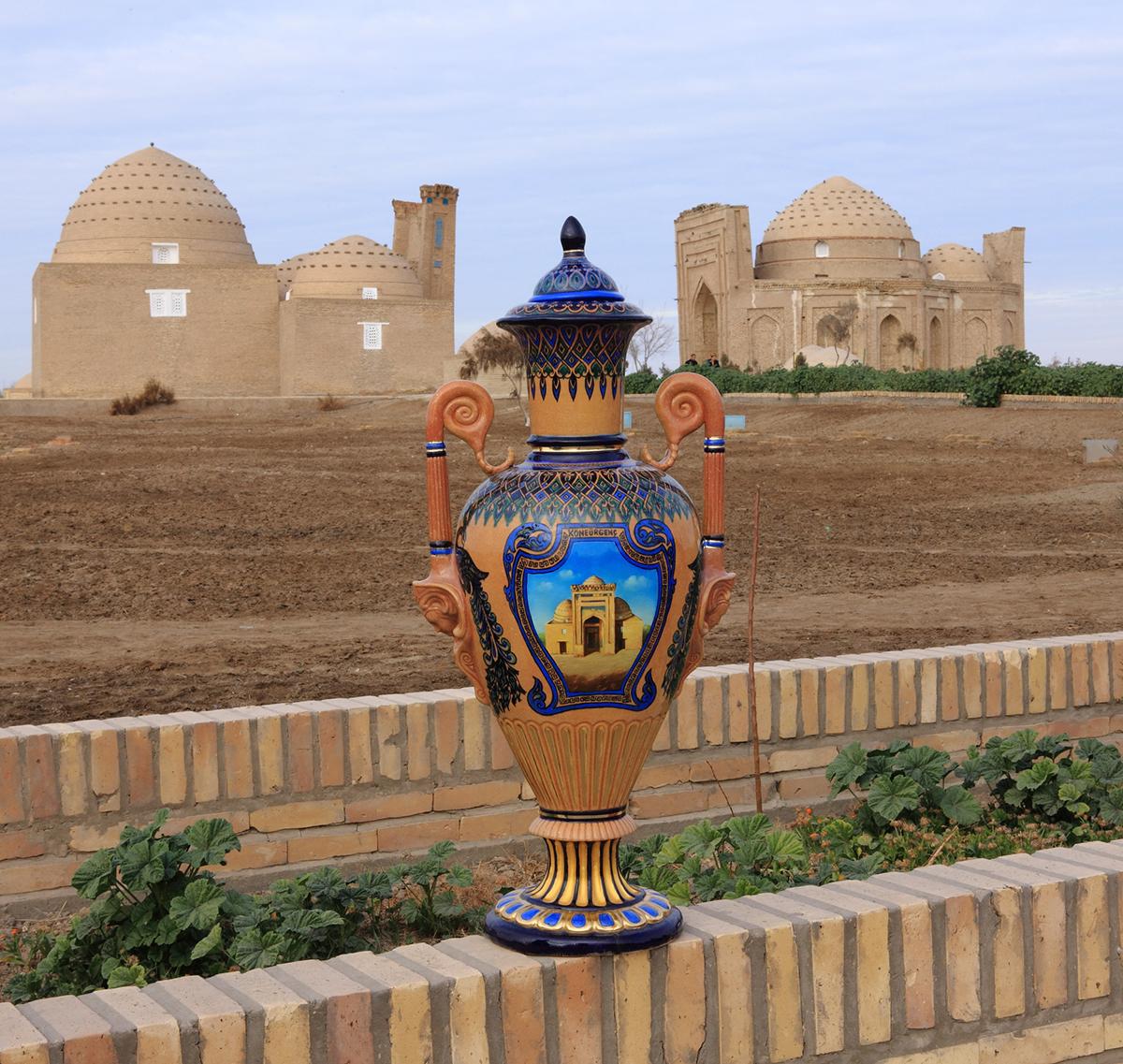

Modern Turkmenistan
After centuries under various empires, Turkmenistan became part of the Russian Empire in the late 19th century and subsequently the Soviet Union. On October 27, 1991, Turkmenistan declared independence, becoming a sovereign nation.
Independent Turkmenistan has worked to preserve its rich cultural heritage while embracing modernization. The capital, Ashgabat, has transformed into a modern city known for its distinctive white marble architecture, earning a place in the Guinness Book of Records.
Today, Turkmenistan celebrates its ancient heritage through numerous museums, restored historical monuments, and cultural festivals, while also looking forward to the future with investments in education, infrastructure, and cultural preservation.
Cultural Heritage
Turkmenistan's cultural heritage is preserved in numerous UNESCO World Heritage Sites, including Ancient Merv, Kunya-Urgench, and Nisa. The country's museums house priceless artifacts spanning millennia, from ancient Margiana pottery to Parthian ivory rhytons and medieval manuscripts.
The Turkmen people maintain their traditional arts, particularly carpet weaving, which is considered a national treasure. Turkmen music, literature, and oral traditions continue to be passed down through generations, keeping the spirit of ancient Turkmenistan alive in the modern era.